
About the Summit
Her story does not end in silence.
Tamar, Arise is a first-of-its-kind annual summit dedicated exclusively to the healing, advocacy, and empowerment of Black women and girls who have survived childhood sexual abuse.

The Story of Tamar
2 Samuel 13
Named for the daughter of King David whose story of sexual violation and abandonment is recorded in Scripture, this summit declares that her story — and the stories of countless Black women and girls who carry her grief — does not end in silence.
We gather to break the silence, equip the community, and demand the systemic change that protects Black children and restores the dignity of survivors.
Sanctuary & Community
Held, not handled.
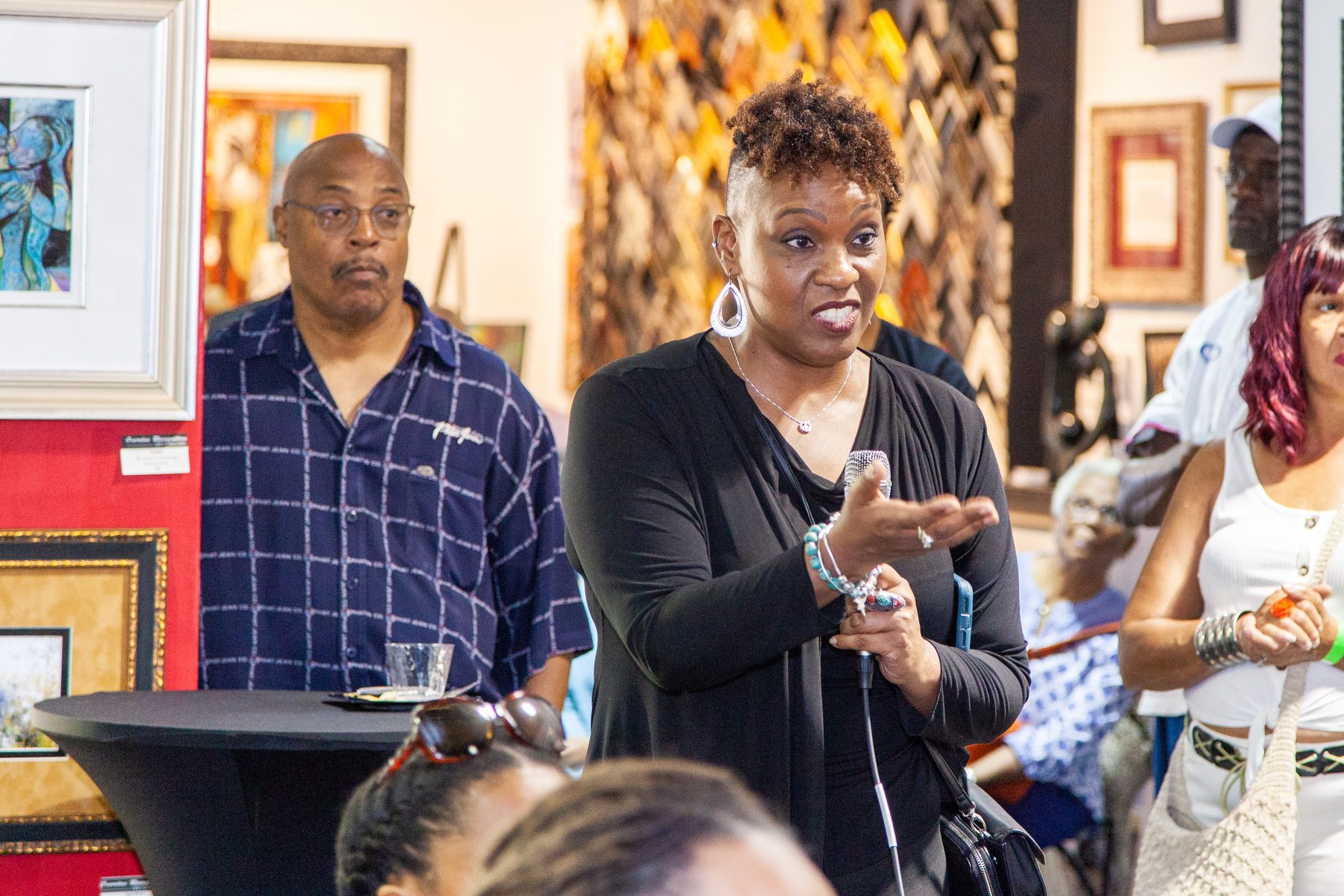
Healing happens in company. These are women who met as strangers and left holding one another.


Why Black Women & Girls?
Race, gender, and historical trauma create unique vulnerabilities — and unique barriers to healing.
Cultural Silence
"Strong Black woman" narratives suppress disclosure, normalize suffering, and discourage survivors from seeking help.
Distrust of Systems
Historical trauma with law enforcement and child welfare deters reporting, leaving perpetrators unaccountable.
Economic Barriers to Healing
Limited access to therapy, legal resources, and support programs compounds trauma and extends its duration.
Faith Community Pressure
Religious communities often prioritize family reputation over child safety, leaving survivors without sanctuary.
Lack of Culturally Competent Care
Clinicians trained in generic frameworks frequently miss race-specific trauma presentations in Black women.
Societal Erasure
Black girls are hypersexualized in media and underprotected by institutions — their pain minimized, their voices ignored.
Why This Summit. Why Now.
There is no national summit dedicated solely to Black women and girls who have survived childhood sexual abuse. Until now.
The Gap Is Real
Despite overwhelming evidence of disproportionate impact, Black women and girls remain vastly underserved in trauma research, policy funding, and healing infrastructure.
Leadership Is Present
This summit brings nationally recognized voices in medicine, theology, and advocacy — an unprecedented interdisciplinary approach to a crisis long ignored.
The Moment Demands It
Post-pandemic mental health crises, elevated ACE rates, and renewed national conversations on race create both urgency and unprecedented openness for action.
Washington, D.C. Is Strategic
Hosting in the nation's capital connects directly to policymakers, federal agencies, nonprofits, and advocacy organizations with the power to drive lasting change.
The Cost of Silence
When trauma goes unaddressed, the body and spirit carry the cost — often for a lifetime.
Mental Health Crisis
Depression, PTSD, anxiety, suicidal ideation — 2 to 5× more prevalent among childhood sexual abuse survivors.
Physical Health Deterioration
Elevated risk of heart disease, diabetes, obesity, and autoimmune disorders linked to ACEs and chronic stress.
Intergenerational Trauma
Unhealed cycles passed across generations; impaired capacity for secure, healthy relationships.
Economic Hardship
Reduced educational attainment, higher unemployment, and greater reliance on public safety net systems.
Spiritual & Community Harm
Loss of faith, exile from church community, and spiritual shame imposed by cultures of silence and denial.